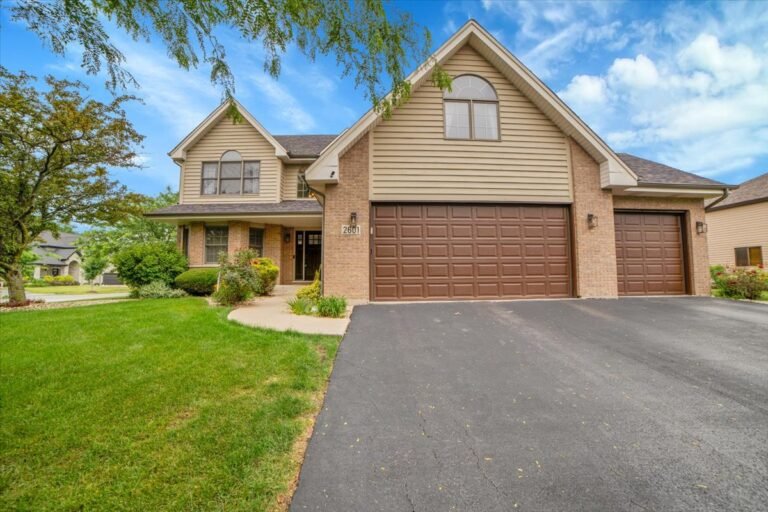
A Home Appraisal is the professional process of determining what a property is worth based on current market conditions, location, and overall property condition. Renovations can influence that value, but the impact depends on what was done, how well it was done, and what the local market actually rewards.
Not every upgrade changes value the same way
One of the biggest misunderstandings homeowners have is thinking every renovation automatically increases value.
That is not how a Home Appraisal works.
The market decides value, not the amount spent.
So two homes with the same renovation budget can end up with very different results depending on:
- location
- buyer demand
- quality of work
- overall neighborhood standards
In simple terms, the market rewards smart improvements, not just expensive ones.
Upgrades that usually influence value positively
- Kitchen improvements that match buyer expectations
The kitchen often plays a major role in how a home is perceived.
When updated in a practical way, it can positively influence appraisal value through:
- modern and functional layouts
- updated countertops and cabinets
- reliable, energy-efficient appliances
- clean and durable finishes
The key is balance. The goal is not luxury overload, but a modern, functional space that fits the neighborhood level.
- Bathroom updates that improve overall condition
Bathrooms are another area that strongly affects how condition is judged.
Improvements like:
- new fixtures
- updated tiles
- improved lighting
- walk-in showers or modern tubs
help a home feel well-maintained and move-in ready, which is something a Home Appraisal reflects in condition scoring.
- Added usable space that improves functionality
Adding usable living space is often more impactful than cosmetic changes.
Examples include:
- finished basements
- additional rooms or expanded layouts
- converted usable areas
More livable space usually supports stronger value because it directly increases functionality.
When renovations do not increase value as expected
This is where many homeowners get surprised. Highly personalized design choices. What feels stylish to one homeowner may not appeal to the wider market. A Home Appraisal is based on general buyer preference, not individual taste.
- Luxury upgrades in moderate neighborhoods
High-end finishes do not always translate into higher value if surrounding homes do not support that price range. The neighborhood often sets a ceiling for value.
- Cosmetic changes without structural improvement
Simple cosmetic updates like paint or décor may improve appearance, but they do not always change the underlying market value unless overall condition improves significantly.
How appraisers evaluate renovations in real situations
During a Home Appraisal, renovations are not just listed and added up.
Instead, they are analyzed based on impact.
Appraisers look at:
- whether the upgrade improves functionality
- how similar homes in the area compare
- quality and durability of materials
- overall market demand for those features
- condition improvement over time
The key question is always whether the renovation changes what buyers are willing to pay in that specific market.
Why location still controls the final outcome
Even strong renovations have limits if the location does not support higher pricing.
In suburbs like Elgin, Aurora, Naperville, Schaumburg, Kane County, and Lake County:
- school districts influence demand
- neighborhood trends affect pricing
- recent sales define value ranges
- local development impacts long-term growth
That is why similar renovations can lead to different appraisal results in different areas.
Professionals like S. Keenan, INC. consider these local factors carefully when evaluating renovation impact.
Timing and condition also matter
Fresh renovations often have more influence because they signal:
- lower maintenance needs
- updated systems and finishes
- better overall condition
Older renovations may still help, but condition over time becomes part of the evaluation.
Conclusion:
Renovations can increase home value, but only when they align with what the market actually rewards. A Home Appraisal is about how much value the market recognizes from those improvements.
Frequently Asked Questions
Do renovations automatically increase home value?
No, value increases only when the market recognizes the improvement.
Which renovations usually add the most value?
Kitchens, bathrooms, and added livable space tend to have stronger impact.
Does a Home Appraisal include renovation costs?
No, it focuses on market impact rather than how much was spent.
Why do some upgrades not increase value much?
Because the local market may not place high value on those specific improvements.
Does location affect renovation impact?
Yes, location strongly influences how much value renovations can add.
Do cosmetic upgrades increase value?
They improve appearance, but usually have limited impact unless overall condition improves.
Do appraisers consider quality of renovation work?
Yes, quality and durability are important factors in valuation.
Can over-renovating reduce return value?
Yes, luxury upgrades beyond neighborhood standards may not fully return value.
How do appraisers decide renovation impact?
They compare similar homes and analyze market response to those upgrades.
Why is a Home Appraisal important after renovations?
Because it shows how much actual market value has changed based on improvements.